












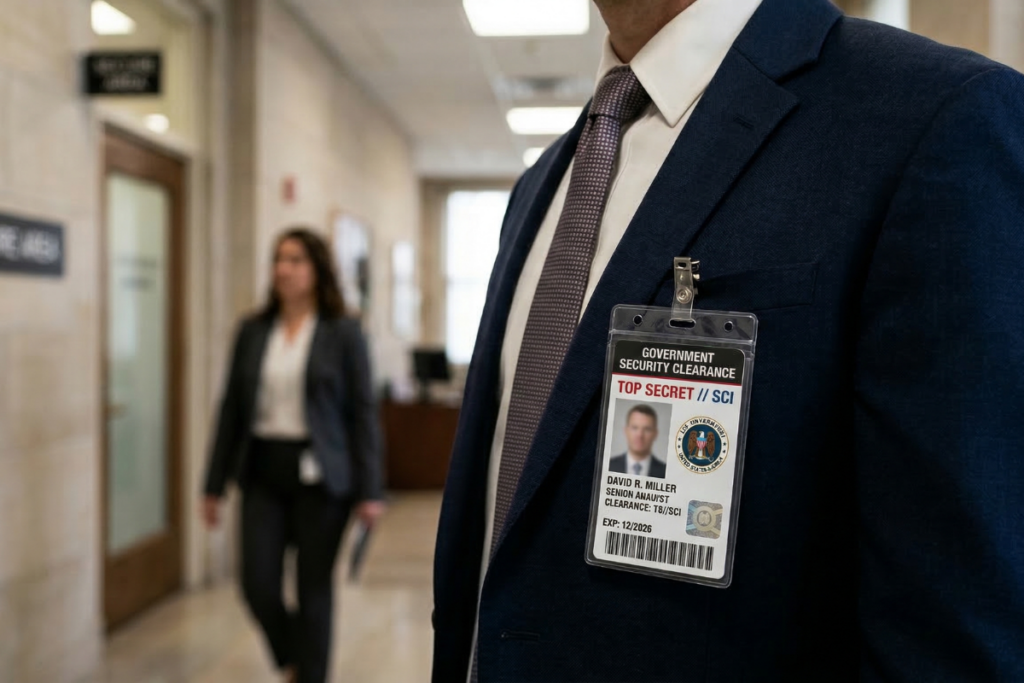
For many professionals in Northern Virginia, a security clearance is not just a credential. It is the foundation of their career. Government employees, military personnel, and federal contractors must maintain a reputation for reliability, judgment, and trustworthiness in order to hold or obtain a clearance. When a person becomes involved in a security clearance criminal case, even if the allegations are minor or still unresolved, the situation can trigger a formal review under federal adjudicative guidelines. Importantly, a pending criminal matter does not automatically result in the loss of a clearance. However, certain mistakes during the investigation or court process can significantly increase the risk of suspension, revocation, or denial. Understanding how criminal charges and security clearance reviews interact is essential for navigating this process effectively and avoiding missteps that could jeopardize your career. At Crowley Peritz Law, we regularly advise individuals across Northern Virginia on how criminal charges can intersect with federal employment and clearance requirements, helping clients protect both their legal rights and their professional futures.
Why Criminal Charges Trigger Security Clearance Reviews
Security clearances are evaluated using a set of federal adjudicative standards that examine whether an individual can be trusted with sensitive information. One of the key standards is Guideline J, which addresses criminal conduct. Under this guideline, investigators and adjudicators consider whether a person’s behavior raises concerns about judgment, reliability, or willingness to comply with laws and regulations.
Importantly, the review process is not limited to convictions. Arrests, pending charges, and even credible allegations may prompt scrutiny. The government evaluates the entire context of the situation, including the nature of the alleged offense, the individual’s prior record, and whether the behavior suggests a pattern of poor judgment. As a result, even individuals who expect their charges to be dismissed must still take the situation seriously, because the clearance process considers factors beyond the final criminal outcome.
Mistake One: Failing to Self-Report an Arrest or Charge
One of the most damaging mistakes for security clearance holders is failing to report an arrest or criminal charge promptly. Many clearance holders are required to notify their security officer or employer when they become involved in a criminal investigation or court case.
Failing to report the issue can be interpreted as dishonesty or lack of candor. In many cases, adjudicators view nondisclosure more negatively than the underlying offense itself. Even relatively minor criminal matters can escalate into serious clearance concerns if investigators believe an individual intentionally concealed information.
Mistake Two: Speaking Without Legal Guidance
Another common mistake is providing statements to supervisors, investigators, or security personnel without first seeking legal advice. In an effort to appear cooperative, some people offer detailed explanations about the incident. Unfortunately, these unscripted conversations can create inconsistencies that later raise credibility concerns.
Statements made during internal reporting or security reviews can become part of the official record. If those statements conflict with court filings or testimony later in the criminal case, adjudicators may question the individual’s reliability. Consulting legal counsel before making formal statements can help ensure that responses are accurate, consistent, and strategically appropriate.
Mistake Three: Underestimating the Impact of Minor Offenses
Many people assume that only serious felonies will affect their clearance status. In reality, misdemeanor offenses and seemingly minor incidents can still trigger review under federal adjudicative standards. For example, charges involving driving under the influence, disorderly conduct, or other nonviolent offenses may still be considered relevant if they reflect poor judgment or a pattern of misconduct.
Adjudicators apply a whole-person assessment. This means that a single incident may be less concerning than repeated issues that suggest a pattern of risky behavior. Understanding that even lower-level charges can influence the evaluation is critical when navigating a criminal case for a security clearance.
Mistake Four: Violating Court Orders or Employment Policies
Another serious error involves violating conditions imposed during the criminal case. Courts may impose bond conditions, travel restrictions, or requirements to avoid certain behavior. Ignoring these conditions can lead to additional charges or violations.
Even if the violation is unrelated to the original accusation, it may reinforce concerns about judgment and reliability under Guideline J. Similarly, violating workplace policies while under investigation can intensify clearance concerns. Adjudicators often interpret these violations as evidence that an individual may not respect rules or legal obligations.
Mistake Five: Ignoring the Connection Between the Criminal Case and Clearance Review
A common misconception is that the criminal case and the clearance review are separate matters. In reality, the two processes are closely connected. Decisions made during the criminal case can directly influence how adjudicators evaluate the situation.
For example, plea agreements, deferred dispositions, or negotiated charges may still be considered during the clearance process. Even if a case does not result in a conviction, the underlying conduct may still be examined. Coordinating criminal defense strategy with clearance considerations is therefore essential for minimizing long term consequences.
Mistake Six: Waiting Too Long to Seek Legal Counsel
Delaying legal representation can significantly limit the options available to protect both the criminal case and the security clearance. Early legal guidance allows individuals to understand reporting requirements, prepare appropriate explanations, and avoid actions that could worsen the situation.
Attorneys who understand federal security clearance defense considerations can help clients navigate both legal systems simultaneously. By addressing potential issues early, it may be possible to mitigate concerns before an adverse clearance decision occurs.
Potential Consequences of Clearance Jeopardy
When a criminal allegation triggers a clearance review, several outcomes are possible. In some cases, the government may temporarily suspend the clearance while the matter is investigated. In more serious situations, the clearance may be downgraded, revoked, or denied upon renewal.
These consequences can have immediate and long-term effects on employment and professional opportunities. Losing a clearance may prevent an individual from continuing their current role, limit their ability to work on government contracts, and affect future job prospects. Even when criminal charges are dismissed, the underlying conduct may still factor into the government’s assessment of reliability and trustworthiness.
How Legal Counsel Can Help Protect Your Clearance
When criminal charges intersect with security clearance concerns, legal guidance becomes especially important. Attorneys familiar with both criminal defense and clearance procedures can help clients understand their reporting obligations and prepare appropriate responses to investigators or adjudicators.
Legal counsel can also help present mitigating evidence that demonstrates reliability and rehabilitation. This may include evidence of strong work performance, lack of prior misconduct, or circumstances surrounding the incident. Coordinating legal strategy in both the criminal and clearance processes helps ensure that decisions made in one forum do not unintentionally harm the other.
Protect Your Career with Experienced Legal Guidance
A pending criminal case does not automatically result in the loss of a security clearance, but the wrong decisions during the process can make the situation far worse. Understanding how criminal charges and security clearance reviews interact and avoiding critical mistakes can make a meaningful difference in the outcome.
At Crowley Peritz Law, we understand the high stakes involved when criminal allegations threaten a professional career that depends on security clearance eligibility. Our firm provides personalized legal strategies to protect your legal rights and professional future.
If you are facing criminal charges that may affect your clearance status, it is important to seek legal guidance as early as possible. Contact Crowley Peritz Law through our online form or call 703-123-4567 to schedule a confidential consultation and learn how we can help you navigate both the criminal justice system and the security clearance process.